

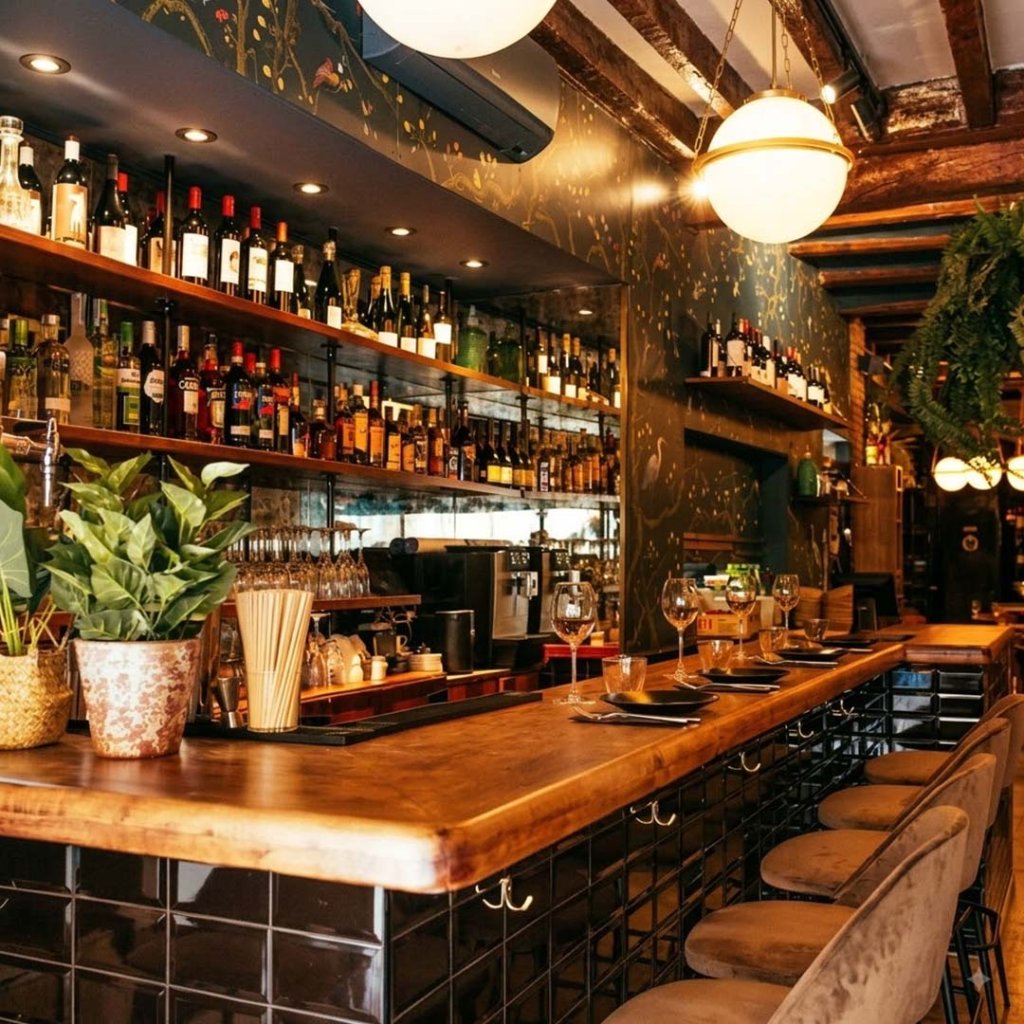
Bars are the entry point of the Spanish hospitality market: lower traspaso prices than full restaurants, simpler operations, and – on the coast – an endless supply of dreamers ready to buy one. That last part is the problem. Because demand from first-time foreign buyers is constant, the bar market attracts more optimistic pricing, more “creative” turnover claims and more quietly expiring leases than any other segment. The difference between a great bar purchase and an expensive lesson is almost always the checks done before signing.
Here are the twelve checks we insist on before any client buys a bar in Spain – drawn from years of brokering sales in Marbella, Estepona, Málaga and Tenerife, and from seeing exactly where unadvised buyers get burned.
The licence checks (1–3)
1. The licence exists, is valid – and is actually for a bar
Ask for the licencia de apertura/actividad (or the declaración responsable filing that many municipalities now use) and verify it at the town hall. Check the licensed activity matches reality: a café licence (sin música, limited kitchen) does not cover the late-night music bar you plan to run, and upgrading a licence category can require soundproofing works, extraction systems and months of paperwork – or may be impossible in that location. The licence, not the seller’s description, defines what the venue may legally do.
2. The terrace is licensed, not tolerated
On the Costa del Sol, the terrace often produces half the covers. Terrace tables on public land require a separate municipal occupation licence, renewed and paid periodically, specifying the exact number of tables and area. Confirm the terrace licence exists, its cost, and that the current table count matches it – buying a bar whose “40-cover terrace” is licensed for 16 tables changes the entire business case. Ask too about any pending municipal changes to terrace rules on that street.
3. Music, hours and soundproofing
If the concept depends on music or late opening, verify the licence category permits it, what closing time applies, and whether the venue has the required acoustic insulation and certificates. Check the complaint history: a bar with a folder of neighbour noise complaints at the town hall is a bar heading for restricted hours.
The money checks (4–6)
4. Real turnover, not “terrace maths”
Ask for documentation: VAT returns (modelo 303), annual accounts, POS (TPV) reports, supplier invoices. Cross-check them against each other and against what you observe – sit outside the bar at peak times and count covers yourself over several days. Treat any turnover that “doesn’t show in the books” as zero: you cannot verify it, you cannot finance against it, and the tax exposure it implies becomes your problem. A smaller, fully documented trade is worth more than a bigger claimed one.
5. The rent-to-turnover ratio
Whatever the traspaso price, the rent decides whether the bar can breathe. Aim for total occupancy cost (rent plus terrace fees plus community charges) comfortably below 10% of realistic turnover; seasonal coastal bars need an even bigger margin because rent runs twelve months while trade runs six to eight. A cheap traspaso with an aggressive rent is not cheap.
6. Debts that can follow the business
Require up-to-date certificates showing the business is current with the tax agency (AEAT) and social security (TGSS), and check for unpaid utilities, supplier debts and community fees. Under Spanish rules, buyers of a business can be pursued for certain pre-existing tax and social security liabilities – which is exactly why the certificates and a well-drafted contract with warranties matter. If you are buying the company (S.L.) rather than the assets, this check expands to the company’s full history.
The lease and legal checks (7–9)
7. The lease, clause by clause
For a traspaso, the lease is the asset. Verify: years remaining and renewal rights; rent, indexation and any stepped increases; whether transfer requires landlord consent, and what rights (rent uplift, participation) the landlord holds on assignment; deposit and guarantees; and who bears repairs and works. A meeting with the landlord before completion – ideally to agree updated, written terms – prevents the classic post-purchase surprise. Our traspaso vs freehold guide explains the structures in depth.
8. Staff you will inherit
Employees transfer to you automatically with their contracts, salaries and seniority (subrogación). Get the full staff list with contract types, hours, seniority dates and salaries, and check social security filings match. Long-serving staff carry significant statutory severance entitlements – a cost that belongs in your valuation, not in your surprises. A stable, legal, well-run team, on the other hand, is one of the most valuable things a bar can transfer.
9. What is actually included – and who owns it
Inventory the equipment and confirm it is owned outright, not leased or financed: coffee machines, beer installations and TVs are frequently under brewery or supplier contracts with tie-ins and buyout clauses. Ask specifically about brewery ties (exclusivity in exchange for the terrace furniture or installation) – they may be fine, but you must know the terms you are inheriting. Agree a written inventory annexed to the contract.
The reality checks (10–12)
10. Why is the owner really selling?
Retirement, return home, another project – all normal. But dig gently: a marina about to start two years of construction works, a new competitor, a landlord signalling a big rent review, or simple exhaustion from a business that never made money are also common reasons. Ask neighbouring business owners; on Spanish high streets, everyone knows everything.
11. Seasonality and the twelve-month cash flow
Coastal bars can take more in August than in the whole first quarter. Build a month-by-month cash flow using realistic low-season figures and confirm you can cover rent, wages and your own living costs through the winter – the months that quietly kill underfunded first-time owners. Town-centre and residential bars trade flatter; beach bars trade steeper. Know which you are buying.
12. The area’s direction of travel
A bar is a bet on its street. Check planned developments, pedestrianisation schemes, new hotel or residential projects (usually positive) and construction timelines (painful short-term). Visit at night, in the rain, in low season. If the street is improving, you are buying tomorrow’s location at today’s price – our guide to the best areas on the Costa del Sol maps where that is happening now.
None of these checks is difficult; together they take two to four weeks and a modest legal budget – and they transform bar-buying from a gamble into a structured acquisition. The bars that pass all twelve are rarer than the listings suggest, and worth every euro of a fair price.
Frequently Asked Questions (FAQ)
What licence does a bar need in Spain?
Every bar needs a municipal opening/activity licence (or registered declaración responsable) matching its actual activity – café, bar, bar with music, late-night venue – plus a separate terrace occupation licence for tables on public land, and compliance with acoustic and extraction requirements for its category. Always verify the licence at the town hall and confirm it covers the concept you intend to run.
How do I verify a Spanish bar’s real turnover?
Cross-check documents against reality: VAT returns (modelo 303), annual accounts, POS reports and supplier invoices should tell a consistent story, and your own covert visits at peak and off-peak times should confirm it. Disregard any claimed cash takings that do not appear in the books – unverifiable income has no place in a purchase price.
Do bar staff transfer to the new owner in Spain?
Yes. Under Spanish employment law, staff transfer automatically with their contracts, salaries and accrued seniority when a business changes hands. Dismissals after purchase follow normal employment rules and costs, including statutory severance that grows with seniority. Obtain the full staff list and social security records during due diligence and price the obligations in.
What is a brewery tie on a Spanish bar?
Many bars have agreements with breweries or drinks suppliers: exclusivity on beer or products in exchange for equipment, terrace furniture, installations or upfront payments. These contracts often transfer with the business and can include minimum purchase volumes and buyout clauses. They are not necessarily bad, but you must review the terms before buying – they affect your margins and freedom.
How much does a bar in Spain cost to buy?
Traspaso prices on the Costa del Sol commonly run from around €30,000–60,000 for small local bars to €150,000–400,000 for well-located, profitable venues with terraces; freeholds cost several times more. Beyond the price, budget for transfer costs, legal fees and enough working capital to trade through a full low season – underfunding the first winter is the most common first-owner mistake.
Can I change a café licence into a music bar licence?
Sometimes – but never assume it. Upgrading licence category typically requires meeting stricter acoustic insulation, extraction and safety standards, neighbour and municipal approval, and months of paperwork; in some buildings and zones it is simply not permitted. If your concept depends on music or late hours, buy a venue already licensed for it, and verify that licence at the town hall before committing.
Thinking about buying or selling a restaurant in Spain?
Every bar we list at Restaurant Broker Spain is pre-screened – but nothing replaces proper checks on the venue you fall for. Our team, with real hospitality operating experience across the Costa del Sol and Tenerife, will help you verify the licence, the lease and the numbers before you commit, with local legal support throughout. Call +34 633 164 936 or email info@restaurantbrokerspain.com.