

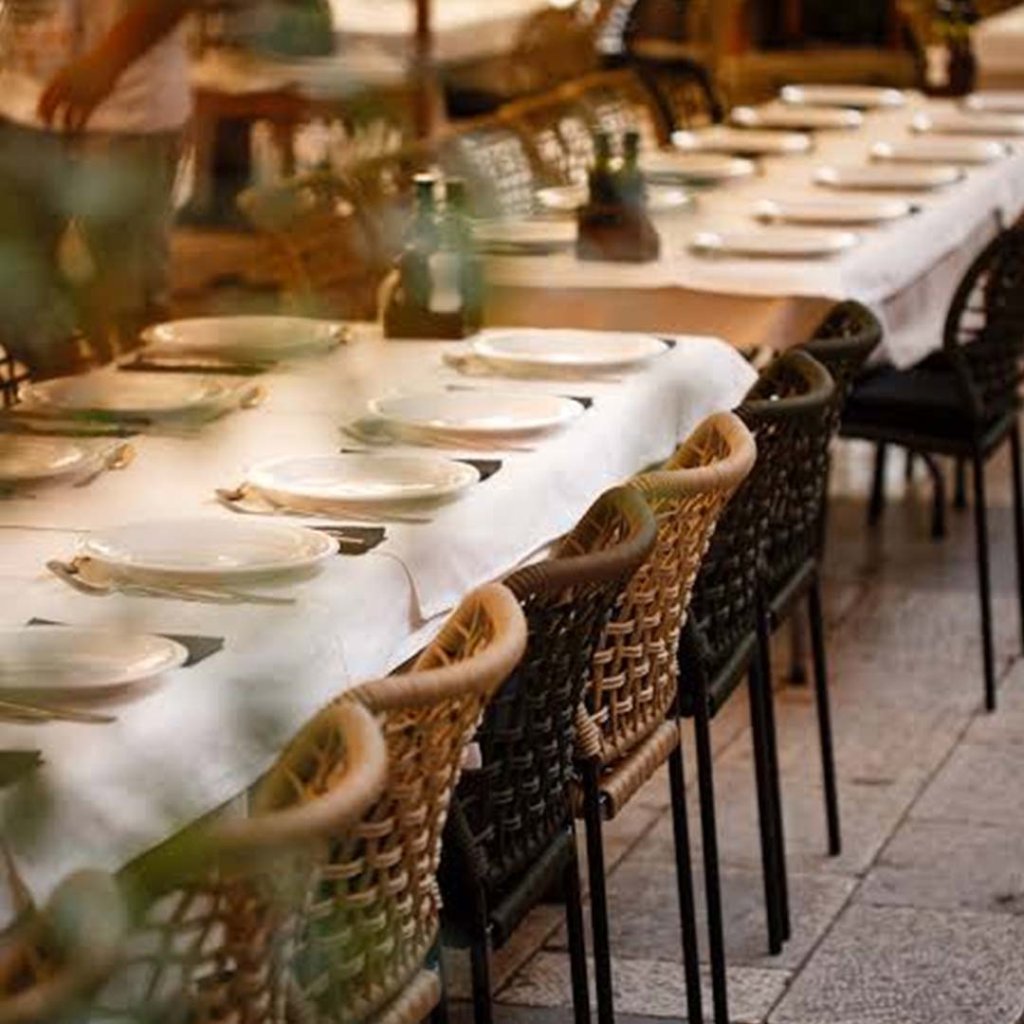
The moment word gets out that a restaurant is for sale, the business starts to change. Staff quietly update their CVs and the best ones leave first. Suppliers tighten payment terms. Regulars ask awkward questions at the bar. Competitors tell everyone the place is failing – whether it is or not. And nosy “buyers” with no money and no intention book viewings to inspect your operation. For a trading hospitality business, an openly advertised sale can damage the very value being sold.
This is why a large share of the best restaurant sales in Spain never appear on any portal. They happen off-market: quietly, between a seller who values discretion and buyers who have been qualified, vetted and bound to confidentiality before they learn the venue’s name. Here is how the process works, why it often achieves better outcomes than public listing, and how to run it properly.
Why discretion protects your sale price
- Staff stability is part of the asset – buyers pay for a functioning team, and Spanish law transfers employees with the business. A team that has half-dissolved during a noisy sale process is value walking out the door.
- Trading momentum matters – a restaurant visibly “for sale” loses bookings, events and supplier goodwill; its next set of monthly figures then weakens the negotiation you are in.
- Landlord relations stay calm – for traspasos, you will need the landlord’s cooperation; hearing about the sale from gossip rather than from you is a poor start to that conversation.
- Negotiating position – public listings age visibly. A venue “on the market for eight months” invites low offers regardless of its quality; an off-market opportunity carries no such timestamp.
- Your own optionality – off-market, you can test the market, receive offers and simply decline them all, with nobody ever knowing you considered selling.
How an off-market sale actually works, step by step
1. Confidential valuation and preparation
It starts with a private meeting and a professional valuation built from your accounts, lease, licences and comparable completed sales – see our guide to how restaurant valuation works in Spain. Preparation matters doubly off-market: because buyers cannot “browse” the venue publicly, the documentation pack (normalised numbers, lease summary, licence file, staff overview, inventory) must answer their questions cleanly under NDA.
2. An anonymous profile, not a listing
The broker prepares a blind profile: concept, approximate area, headline financials, price guidance – everything a buyer needs to know whether it fits, nothing that identifies the venue. “Established seafront restaurant, Marbella area, 150 m² plus licensed terrace, documented turnover €X” tells the right buyer enough, and the wrong reader nothing.
3. Qualified buyers, matched from a live database
Rather than broadcasting, the broker matches the profile against a maintained database of registered buyers – operators, investors and relocating buyers whose budgets, financing and criteria are already known. Serious specialist brokers speak with active buyers weekly; often the eventual purchaser was already registered before the seller ever made contact. Buyers who fit are approached individually.
4. NDA before name
Interested buyers sign a confidentiality agreement before receiving the venue’s identity and the information pack. It is a real filter: the merely curious rarely bother signing, and the document creates accountability for what follows. Only then do detailed financials and the address change hands.
5. Discreet viewings
Viewings are staged to protect the business: visits as ordinary customers first, detailed inspections outside service hours or on closing days, meetings held at the broker’s office rather than at the venue, and the seller’s chosen story (“insurance inspection”, “the accountant”) ready for any staff questions. Done well, a venue can be viewed by five buyers without a single waiter suspecting anything.
6. Offers, negotiation and a controlled reveal
Offers are negotiated through the broker with the seller anonymous to the wider market throughout. Staff, suppliers and the landlord learn of the sale at the moment the seller chooses – typically once terms are agreed and due diligence is underway, with the landlord approached professionally about the lease transfer, and staff informed close to completion in line with legal requirements and good management. From agreed terms, the transaction then runs like any well-structured sale: due diligence, contracts, licence transfer, handover.
Off-market versus public listing: choosing your route
Off-market is not automatically superior – it is a tool with trade-offs. Public listing maximises raw exposure and suits vacant premises, distressed timelines or venues whose sale is already known. Off-market maximises discretion and negotiating posture, and suits trading businesses with staff, reputation and momentum to protect – which describes most good restaurants. Many sellers run a hybrid: a quiet off-market phase first among matched buyers, escalating to wider marketing only if needed, price undamaged by visible time-on-market. The broker’s buyer database is what makes the quiet phase genuinely effective; without one, “off-market” just means “unmarketed”.
Getting sale-ready while nobody is watching
The final advantage of the discreet route: the preparation phase is invisible, so you can fix value-killers before any buyer looks. The highest-return moves we see: regularising the books so the declared numbers carry the real trade (unverifiable cash counts for nothing in a valuation); renegotiating or extending the lease, since remaining term drives traspaso value; updating licence paperwork and terrace permits; tidying staff contracts and documentation; and resolving equipment finance and brewery-tie terms. Six months of quiet preparation routinely adds more to the final price than any negotiation tactic – and with an NDA-protected process, you capture that value without the market ever knowing you were getting ready.
Frequently Asked Questions (FAQ)
What is an off-market restaurant sale?
An off-market sale is one conducted without public advertising: the venue is presented anonymously to individually matched, pre-qualified buyers who sign a confidentiality agreement before learning its identity. Staff, suppliers, competitors and customers remain unaware until the seller chooses to disclose – typically once terms are agreed and the transaction is underway.
Why sell a restaurant discreetly instead of listing it publicly?
Because visibility damages a trading business: key staff leave, suppliers tighten terms, competitors spread rumours and the listing’s age itself invites low offers. Discretion preserves the team, the trading momentum and your negotiating position – and lets you test the market with the option of simply not selling, with nobody ever knowing.
How do buyers find off-market restaurants in Spain?
Through specialist brokers’ registered buyer databases. Buyers lodge their criteria, budget and proof of funds with the broker, and are approached individually when a matching venue comes quietly to market – signing an NDA before receiving the identity and financials. Registering with an active hospitality broker is the only reliable way into this segment of the market.
When do my staff find out the restaurant is being sold?
At the moment you choose – usually once terms are agreed and the deal is progressing, and always in line with legal obligations around the transfer. Under Spanish law employees transfer automatically with the business, keeping their contracts and seniority, so a well-managed announcement close to completion protects both the team and the transaction. Viewings beforehand are staged so staff notice nothing.
Does selling off-market achieve a lower price?
Usually the opposite for trading businesses. The venue arrives to each buyer fresh, with no visible time-on-market, a stable team and undisturbed trading figures – all of which support price. Off-market processes involve fewer but far more qualified buyers; what you lose in raw exposure you gain in negotiating posture and in the value you did not destroy by advertising.
How do I start a confidential sale of my restaurant?
Begin with a private, no-obligation valuation from a specialist broker: your accounts, lease and licence file are reviewed confidentially and matched against completed sales. From there the broker prepares an anonymous profile, matches it to registered buyers under NDA and manages discreet viewings. Restaurant Broker Spain handles the entire process across the Costa del Sol – starting with a single private conversation.
Thinking about buying or selling a restaurant in Spain?
Restaurant Broker Spain runs one of the Costa del Sol’s most active off-market networks: confidential valuations, NDA-protected marketing to qualified buyers only, and discreet viewings that never disturb your service. Your staff, suppliers and competitors hear nothing until you decide. Start with a private conversation: +34 633 164 936 or info@restaurantbrokerspain.com.