

Restaurants & Bars for Sale in Marbella
Restaurants, bars and cafés for sale across Marbella and the wider Costa del Sol.
Restaurants & Bars for Sale in Marbella
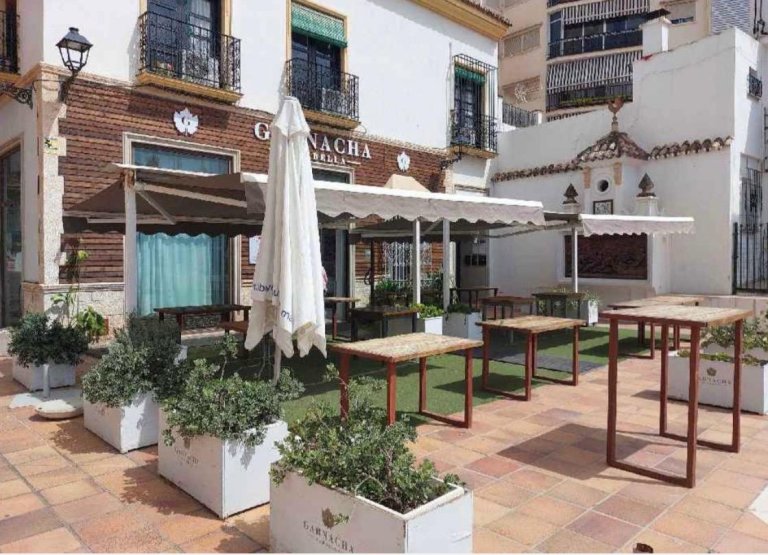
Restaurant In Marbella Center Old Town
650,000 EUR
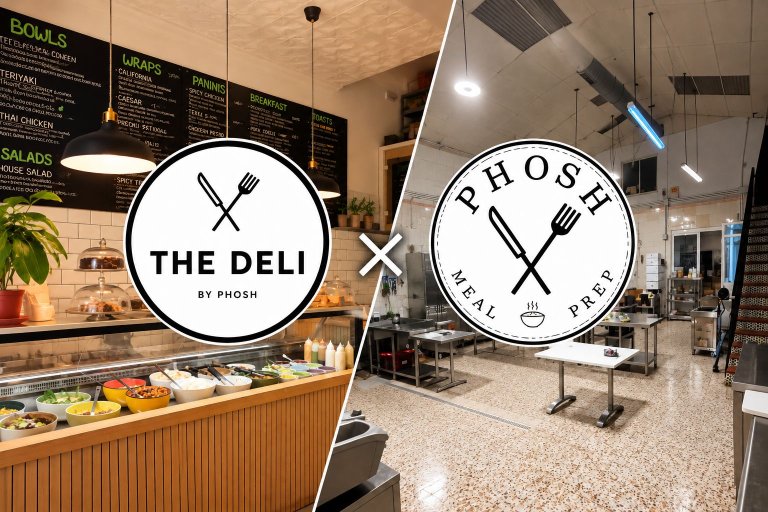
Catering And Deli Opportunity
1,000,000 EUR
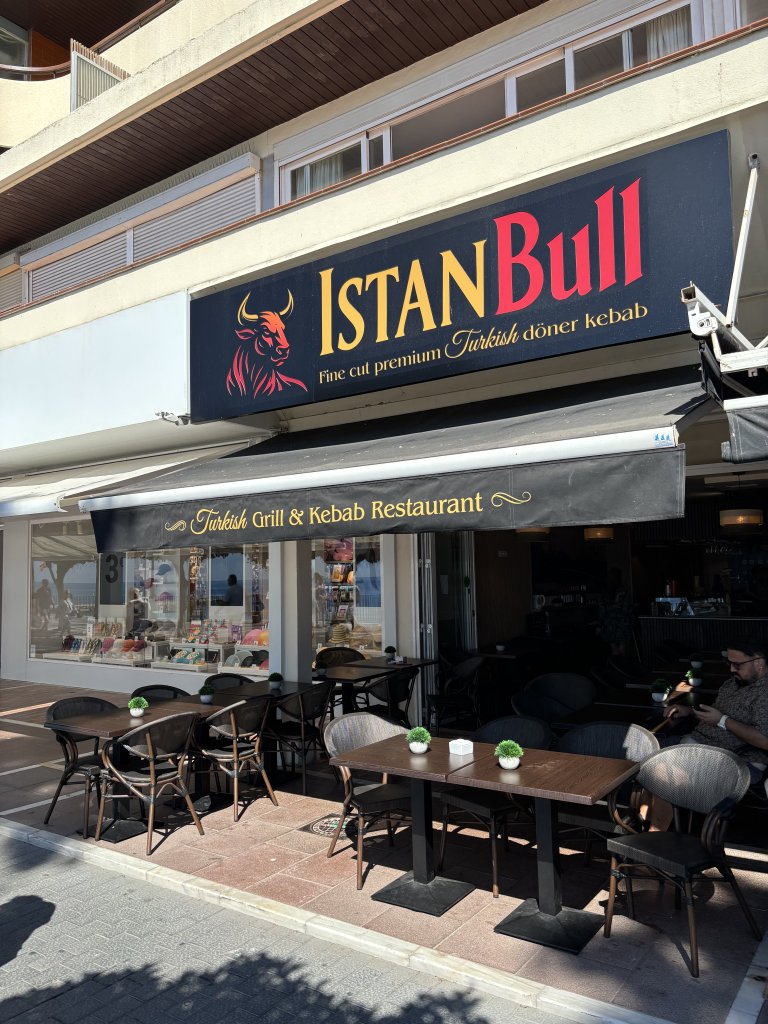
Restaurant In Marbella Port
240,000 EUR
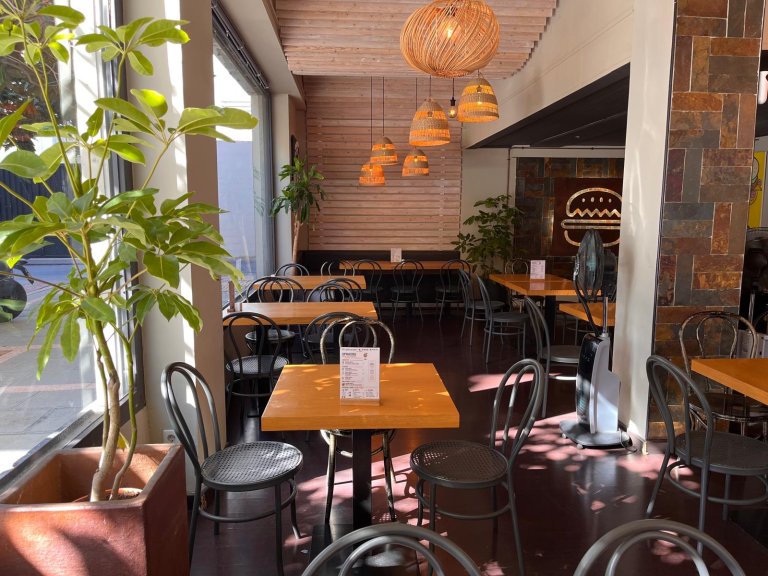
Restaurant In Marbella Center
245,000 EUR
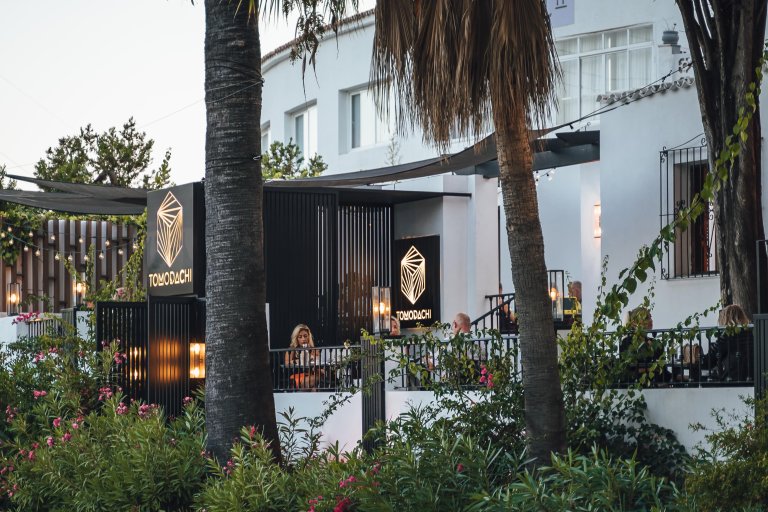
Restaurant Villa With Garden And Terrace – Nueva Andalucía, Marbella
290,000 EUR
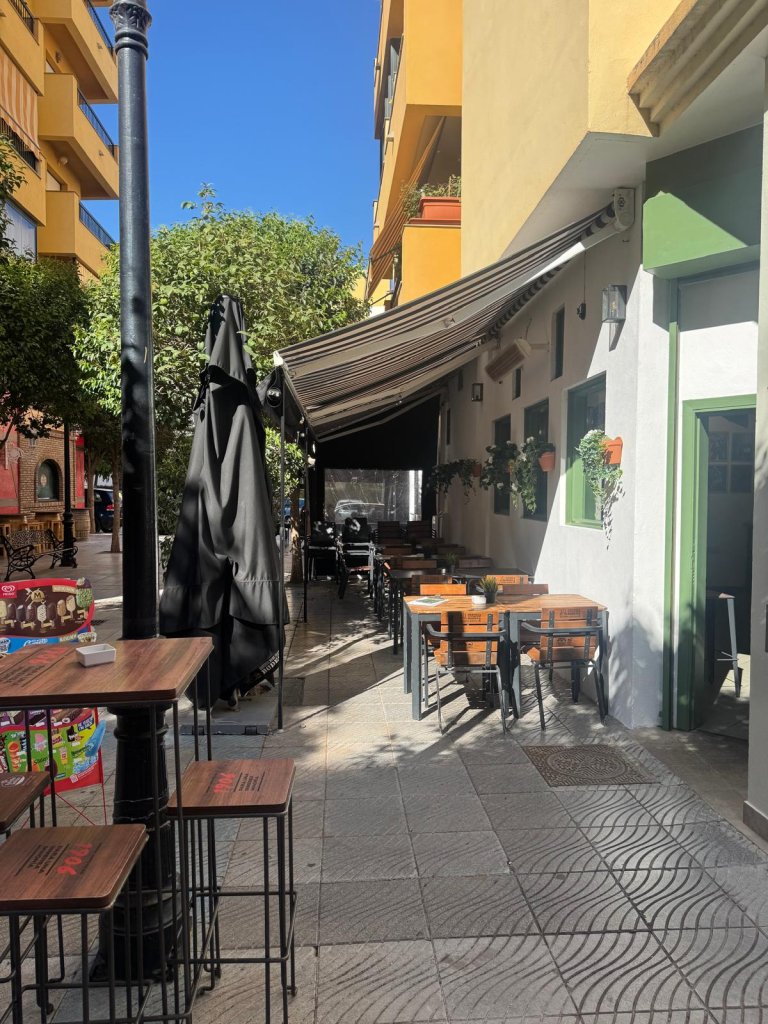
Restaurant, San Pedro De Alcántara
180,000 EUR
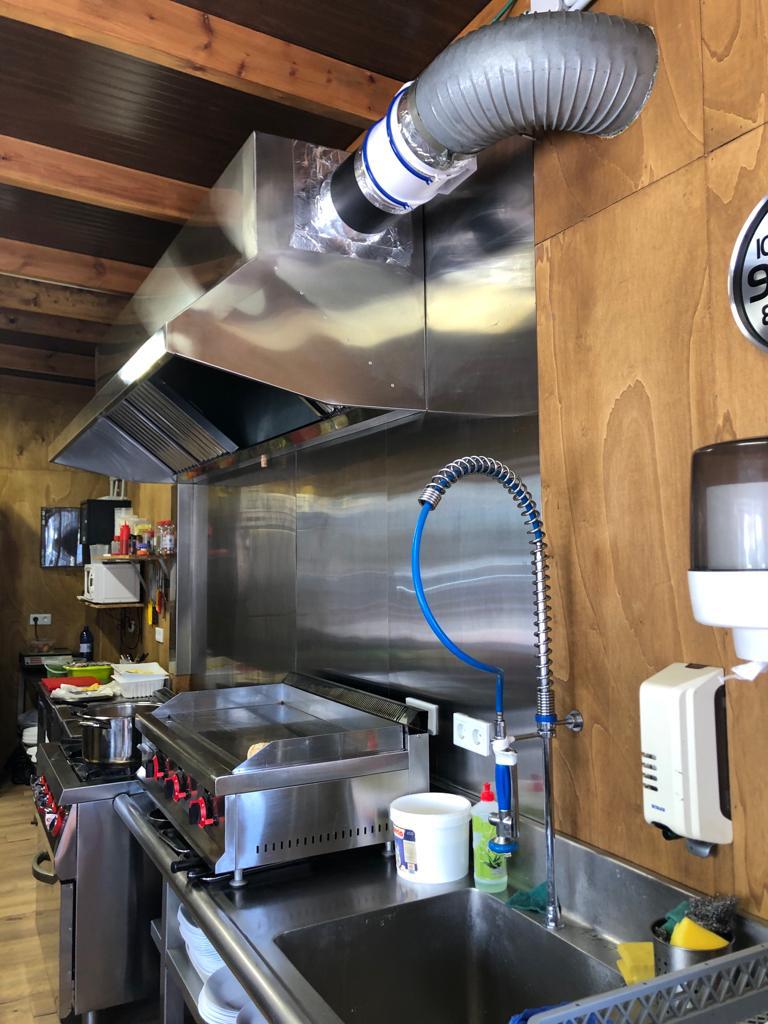
Chiringuito In Milla De Oro
600,000 EUR
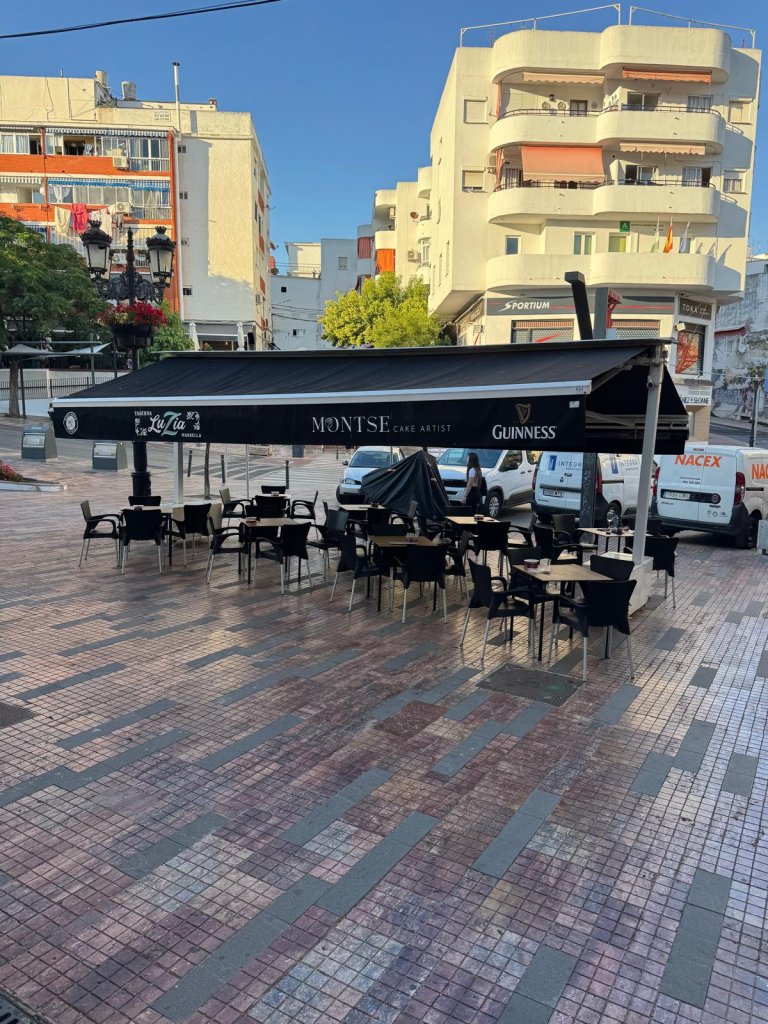
Old Town Marbella
Price upon request
Common Questions About Buying a Restaurant or Bar in Marbella
If you are considering buying a restaurant, bar or other hospitality business in Marbella, these are some of the questions we are most often asked by international buyers.
Which areas in Marbella are best for buying a restaurant or bar?
Marbella covers a much larger area than many international buyers initially realise, and the right location depends entirely on your concept and target audience.
Puerto Banús and the Golden Mile attract a high spend international clientele year round, with premium prices to match. Marbella Old Town offers a more traditional, charming setting that draws both tourists and locals. San Pedro de Alcántara has become increasingly popular for residents and quality dining, while Elviria and Marbella East suit family oriented and beachfront concepts.
We help buyers match the right area to the right business model.
Is Marbella a good place to invest in a restaurant or business?
Marbella consistently attracts one of the highest concentrations of international wealth and tourism on the Spanish mainland, with a particularly strong long stay and second home audience. For the right concept, the area offers stable demand and an affluent, internationally diverse customer base.
That said, premium locations come with premium costs. Success in Marbella depends heavily on choosing a concept that fits the area, the season and the target customer.
What is a traspaso and how does it work in Marbella?
A traspaso is the transfer of an existing lease and operating business from one owner to another. In Marbella, the vast majority of restaurants and bars change hands through traspaso agreements rather than freehold sales, simply because most commercial premises in prime areas are leased rather than owned.
When buying a traspaso, you typically take over the premises, the lease contract, equipment and often the ongoing business activity. The landlord must usually approve the transfer, and lease terms should always be reviewed carefully before any commitment.
How seasonal is the restaurant business in Marbella?
Marbella is more seasonal than the Canary Islands but less seasonal than many other parts of the Spanish mainland. Peak season runs from late spring through early autumn, with a strong year round resident and long stay audience providing steady baseline demand even in winter.
The most successful operators here build a business model that accounts for this seasonality, with strong margins in summer and operational efficiency through the quieter months.
Can British and other foreign buyers still buy a restaurant in Marbella after Brexit?
Yes. British and other non EU buyers can still legally purchase restaurants and hospitality businesses in Marbella. There are no restrictions on foreign ownership of a business in Spain.
What has changed for British buyers post Brexit relates mainly to residency and long term stay rules, not to the right to buy or operate a business. Many international buyers structure the acquisition through a Spanish company, which is a well established route in the Marbella area.
Are there beach bars and beachfront restaurants for sale in Marbella?
Yes. Beach bars, also known locally as chiringuitos, are among the most sought after hospitality opportunities on the Costa del Sol. They rarely stay on the market for long and many of them are sold off market rather than publicly listed.
Alongside restaurants, we work with buyers looking for chiringuitos, beachfront restaurants, bars and cafés across Marbella and the wider Costa del Sol. If you have a specific type of venue or location in mind, get in touch.
Do I need to speak Spanish to run a restaurant in Marbella?
You do not strictly need to speak Spanish to own and run a restaurant in Marbella. The area is one of the most internationally diverse in Spain, and many successful operators run their businesses in English or in their own native language. However, dealing with suppliers, local authorities, lease agreements and staff contracts is significantly easier with at least basic Spanish, or with a trusted local partner who handles those interactions on your behalf.
Restaurants and bars for sale in Marbella
Marbella and the wider Costa del Sol remain one of the strongest markets in Spain for international buyers looking at restaurants, bars and beachfront hospitality. Most deals are traspasos rather than freehold sales, so lease quality and landlord consent matter as much as turnover.
What buyers search for
Common searches include restaurant for sale Marbella, bars for sale Marbella and sell restaurant Marbella. Buyers compare Puerto Banús, the Golden Mile, Old Town, San Pedro and Elviria based on concept, rent and seasonality.
Next steps
Browse listings above, read our bars for sale in Spain guide, or contact us for off-market opportunities on the Costa del Sol.